
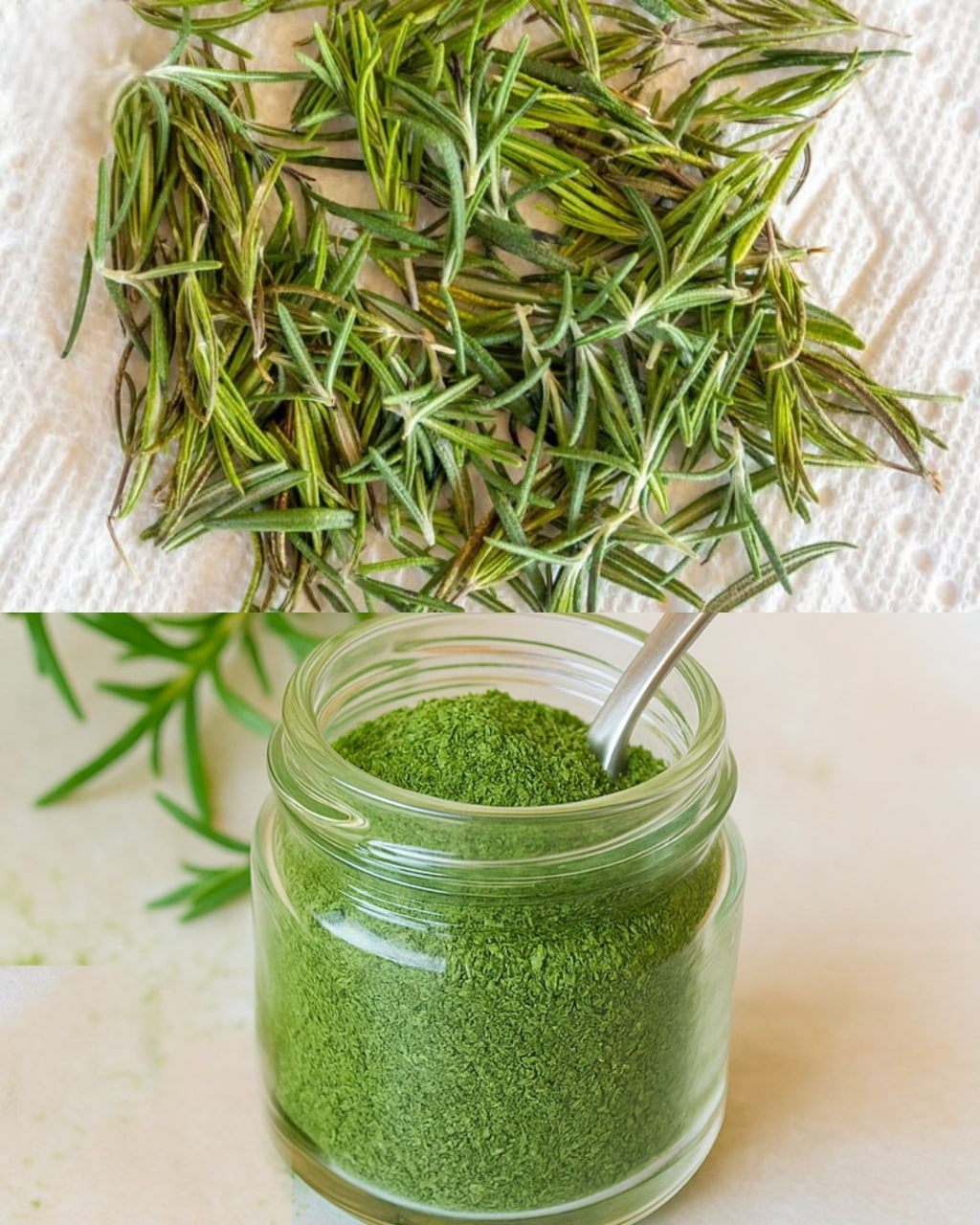
Homemade rosemary powder is a fragrant, versatile spice made by drying and grinding fresh rosemary sprigs. It’s perfect for enhancing dishes with rich, aromatic flavor. Whether you’re seasoning roasted potatoes, grilled meats, or Mediterranean sauces, this easy DIY herb packs a punch of freshness.
What Is Rosemary Powder?
Rosemary powder is a fine herb powder made by drying and grinding rosemary leaves. While fresh rosemary is wonderful, powdered rosemary is a shelf-stable alternative that’s easy to use and store. It has deep roots in Mediterranean cuisine, where herbs are used generously in slow-cooked meats, breads, and infused oils. This DIY method preserves rosemary’s signature piney, lemony notes in a concentrated form—making it a must-have pantry staple.
Why Everyone Will Love This Recipe
Bold aroma with minimal effort – Just a few sprigs and a blender
100% natural – No preservatives, only one ingredient
Perfect for home cooks and gardeners looking to reduce kitchen waste
Versatile – Ideal for soups, stews, marinades, spice rubs, and baking
Pro Tips for the Best Rosemary Powder
Use mature sprigs: Older rosemary contains stronger essential oils and deeper flavor.
Dry completely: Any moisture can cause mold. If using a microwave, ensure the leaves are brittle before grinding.
Grind in short bursts: This prevents overheating and preserves aroma.
Sift if needed: For an ultra-fine powder, pass it through a fine mesh sieve after blending.
Frequently Asked Questions
Can I dry rosemary without a microwave?
Yes. Air-dry by tying sprigs together and hanging them upside down for about a week, or bake them at a low temperature (around 150°F / 65°C) until crisp.
What’s the shelf life of rosemary powder?
Stored in an airtight container in a cool, dark place, it lasts 4–6 months without significant loss of flavor.
Can I use a food processor instead of a blender?
Yes, though a blender or spice grinder will produce a finer powder.
How can I use rosemary powder in cooking?
It’s excellent in roasted vegetables, meat rubs, marinades, infused oils, focaccia, and homemade crackers.
Is homemade rosemary powder the same as store-bought?
Homemade versions are usually fresher and more flavorful, without additives or fillers.
How to Store
Transfer the rosemary powder to an airtight glass jar or spice container. Store it away from heat, sunlight, and moisture—either in a pantry or spice rack. Properly stored, it stays fresh for up to 6 months.
How to Freeze
Although uncommon, rosemary powder can be frozen to extend its shelf life. Place it in a freezer-safe airtight bag with excess air removed. It will keep for up to 1 year. Allow it to return to room temperature before use to prevent clumping.
Ingredients
Fresh rosemary sprigs
How to Make Rosemary Powder
Step 1
Start with about eight fresh rosemary sprigs. Rinse them thoroughly in cold water to remove dirt or residue, especially if homegrown. Pat completely dry using a kitchen towel—this is crucial, as moisture interferes with drying.
Strip the leaves from the stems by holding the tip of the sprig and sliding your fingers downward against the direction of growth. The needles should come off easily. Discard the woody stems.
Place the rosemary leaves between two sheets of parchment paper and microwave for about 2 minutes, checking halfway to ensure they dry evenly without burning.
Step 2
The leaves are ready when they feel crisp and snap easily. Transfer them to a spice grinder, blender, or food processor. Pulse in short bursts until you achieve a fine powder. For a smoother texture, sift through a fine mesh strainer to remove coarse bits.
Step 3
Pour the rosemary powder into a clean, airtight jar. Label it if desired. Store in a cool, dark place and enjoy adding an herbal boost to your cooking anytime.
