
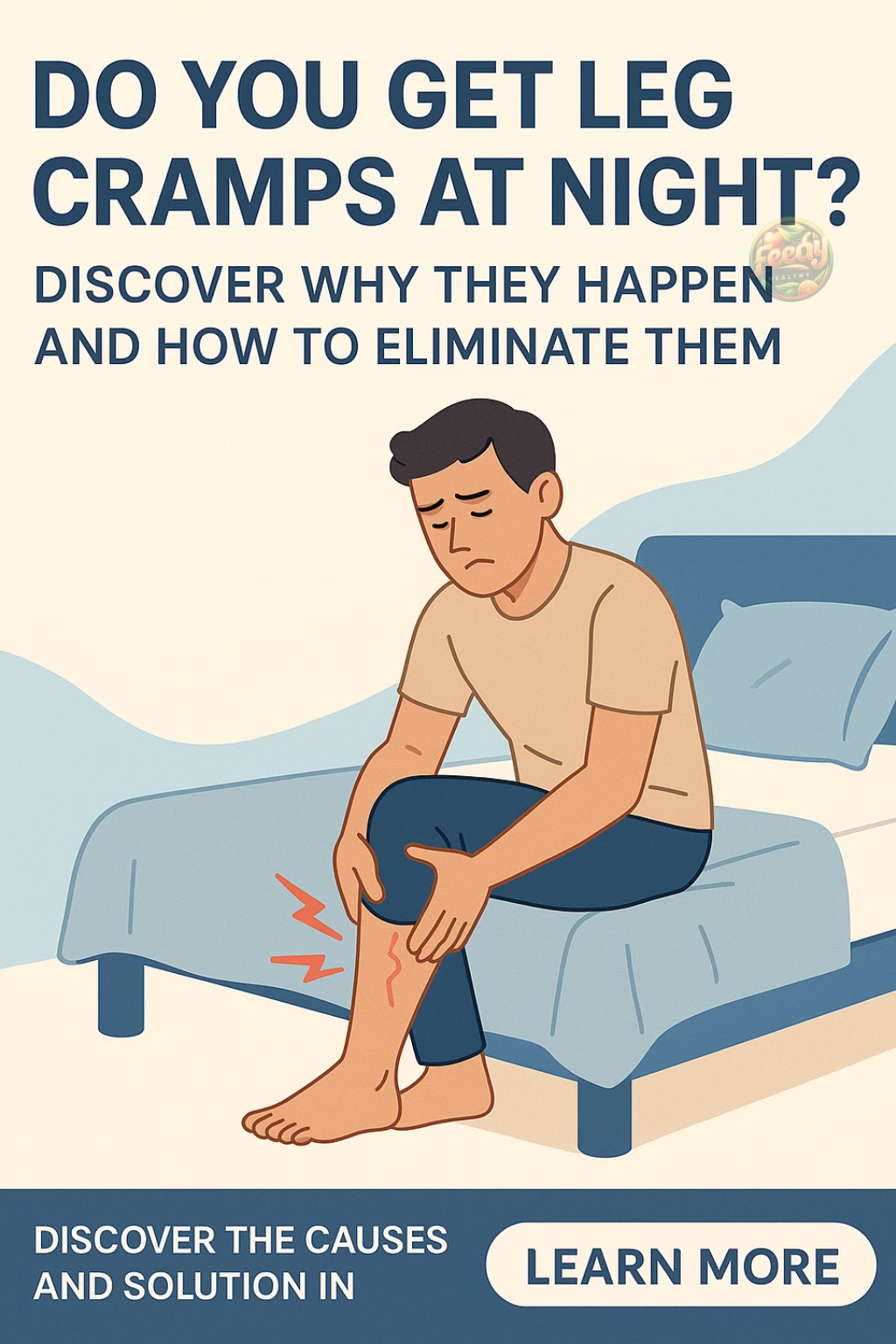
Waking up in the middle of the night with a sudden, painful leg cramp can be frustrating and exhausting. Nighttime leg cramps — often affecting the calves, feet, or thighs — are very common, especially in adults over 50. The pain can last from a few seconds to several minutes, and sometimes soreness lingers the next day.
If you regularly experience these cramps, understanding the causes and learning natural solutions can make a big difference.
What Are Nighttime Leg Cramps?
Nighttime leg cramps are sudden, involuntary muscle contractions that happen while you’re resting or sleeping. They are different from restless leg syndrome (RLS), which causes an urge to move the legs but not intense muscle tightening.
Cramps usually:
-
Occur in the calf muscles
-
Happen during sleep or while lying down
-
Cause sharp, tightening pain
-
Leave temporary muscle stiffness afterward
Common Causes of Nighttime Leg Cramps
1. Dehydration
Not drinking enough water during the day can lead to electrolyte imbalance. Muscles rely on proper hydration and minerals like sodium, potassium, calcium, and magnesium to function correctly.
2. Mineral Deficiencies
Low levels of:
-
Magnesium
-
Potassium
-
Calcium
can increase muscle irritability and cramping.
3. Poor Circulation
Reduced blood flow to the legs can trigger cramps, especially in older adults or people who sit for long periods.
4. Prolonged Sitting or Standing
Staying in one position too long — especially during the day — can tighten muscles and lead to nighttime cramping.
5. Pregnancy
Hormonal changes and increased pressure on blood vessels often cause leg cramps in pregnant women.
6. Certain Medications
Some medications are linked to muscle cramps, including:
-
Diuretics
-
Statins
-
Blood pressure medications
If cramps started after beginning a new medication, consult your doctor.
Natural Solutions to Prevent Nighttime Leg Cramps
1. Stay Hydrated
Drink water consistently throughout the day — not just before bed. Aim for steady hydration, especially if you sweat a lot or exercise.
2. Stretch Before Bed
Gentle stretching can significantly reduce cramps.
Try this simple calf stretch:
-
Stand facing a wall
-
Place one leg behind you
-
Keep your heel on the floor
-
Lean forward slightly
Hold for 20–30 seconds and switch sides.
3. Gentle Massage
Massaging your calves before sleep improves blood flow and relaxes muscles.
4. Warm Compress or Shower
Heat relaxes tight muscles. A warm shower or heating pad before bed can help prevent cramps.
5. Improve Your Diet
Eat foods rich in:
-
Magnesium (nuts, seeds, spinach)
-
Potassium (bananas, avocados, sweet potatoes)
-
Calcium (yogurt, leafy greens)
6. Light Evening Movement
A short walk after dinner improves circulation and prevents stiffness.
What To Do When a Cramp Happens
If you wake up with a cramp:
-
Gently stretch the affected muscle
-
Flex your foot upward (toward your head)
-
Massage the area
-
Apply warmth
Avoid suddenly jumping out of bed, as this can worsen the pain.
When to See a Doctor
Occasional cramps are normal. However, see a healthcare professional if:
-
Cramps are frequent and severe
-
You notice swelling, redness, or warmth
-
You experience muscle weakness
-
Cramps interfere with sleep regularly
Persistent cramps may signal an underlying medical issue.
Final Thoughts
Nighttime leg cramps are common but manageable. Simple lifestyle adjustments — better hydration, stretching, and improved circulation — can dramatically reduce their frequency.
Small daily habits can lead to better sleep, less pain, and healthier muscles.
