
Beer Dough Focaccia – Light, Fluffy, and Flavorful
This Beer Dough Focaccia is airy, tender, and full of flavor thanks to the unique addition of beer in the dough. The beer adds a subtle maltiness while helping create a beautiful rise and light texture. Perfect as a side for soups, salads, or pasta—or enjoyed on its own with a drizzle of olive oil—this easy recipe delivers bakery-quality bread at home.
What Is Beer Dough?
Beer dough replaces part of the liquid in traditional bread recipes with beer, adding flavor and a slightly different texture. In focaccia, this results in a tender crumb with light yeastiness and mild malt sweetness—aromatic, soft, and satisfying.
Why Everyone Will Love Beer Dough Focaccia
Unique beer-infused flavor for a twist on classic focaccia
Soft, fluffy interior with a light, crisp crust
Perfect base for creative toppings like herbs, olives, or caramelized onions
Simple ingredients with no special equipment required
Great served warm at gatherings or sliced for sandwiches
Cooking Tips
Use a light lager or pilsner for a mild flavor, or a darker beer for richer notes
Make sure the water is lukewarm to properly activate the yeast
Don’t over-knead—the dough should remain soft and slightly sticky
Let the dough rise in a warm, draft-free spot until doubled in size
Generously coat with olive oil before baking for a golden, flavorful crust
Frequently Asked Questions
Can I use instant yeast instead of fresh?
Yes. Substitute 2 g instant yeast for the fresh yeast.
Does the alcohol cook out?
Yes. Most of the alcohol evaporates during baking, leaving only the flavor.
What toppings work well?
Fresh rosemary, cherry tomatoes, sliced onions, olives, and coarse sea salt are all excellent choices.
Can I make this dough ahead of time?
Yes. Prepare the dough, cover, and refrigerate overnight. Let it come to room temperature before shaping and baking.
Can I use whole wheat flour?
Yes. You can replace up to 30% of the all-purpose flour with whole wheat flour for a more rustic texture.
Storage and Freezing
How to store:
Wrap cooled focaccia in plastic wrap or store in an airtight container at room temperature for up to 2 days. Reheat in the oven before serving.
How to freeze:
Wrap individual slices in plastic wrap, place in a freezer bag, and freeze for up to 1 month. Thaw and reheat in the oven.
Ingredients
For the Beer Dough
¾ cup lukewarm water
4 g fresh yeast
¾ cup beer
¼ cup extra virgin olive oil
5½ cups all-purpose flour
1 teaspoon salt
For the Focaccia
Extra virgin olive oil, for brushing
Coarse salt, for sprinkling
How to Make Beer Dough Focaccia
Step 1: Activate the Yeast
In a bowl, dissolve the fresh yeast in lukewarm water. Let sit for 5 minutes.
Step 2: Mix, Knead, and Rise
Add the beer, olive oil, flour, and salt to the yeast mixture. Mix until a soft dough forms.
Knead for 8–10 minutes until smooth. Place the dough in an oiled bowl, cover, and let rise for 1–2 hours, or until doubled in size.
Step 3: Shape and Second Rise
Divide the dough into portions for small focaccias or keep whole for one large focaccia. Press gently into a greased baking pan.
Cover and let rise for another 30 minutes.
Step 4: Top and Bake
Preheat the oven to 400°F (200°C). Drizzle the dough generously with olive oil, sprinkle with coarse salt, and add toppings if desired.
Bake for 20–25 minutes, or until golden.
Step 5: Serve
Let cool slightly before slicing. Serve warm or at room temperature.
If you want, I can also:
Make it shorter for a blog or Instagram
Convert it to metric only
Rewrite it in a more casual or more professional tone
Vous avez dit :
Gardening Purple Dead Nettle – Benefits and Uses of This Surprising Wild Herb 2.Natural Anti-inflammatory Support Traditionally, purple dead nettle has been used to help soothe mild inflammation. Its compounds may support comfort in the joints and muscles when consumed regularly as part of a balanced diet. 3.Supports the Immune System Thanks to its antioxidant content and natural plant compounds, purple dead nettle may help the body maintain a healthy immune response. 4.Gentle Support for Seasonal Allergies Some people use purple dead nettle in teas or tinctures during springtime to ease mild seasonal discomforts. Its natural properties may help the body adapt better to pollen-heavy months. 5.Natural Source of Fiber Eating purple dead nettle raw or in cooked dishes may help support digestion and regularity. How to Use Purple Dead Nettle Purple dead nettle is extremely versatile. Here are the most common ways it can be consumed: 1.Tea Steep the fresh or dried leaves in hot water. The taste is mild, earthy, and comforting. 2.Smoothies Blend a handful of young leaves into smoothies for added nutrients. 3.Salads The fresh tops can be added to salads for a slight herbal taste. 4.Soup or Stir-Fry Use it like spinach—add it at the end of cooking for extra nutrition. 5.Tinctures & Herbal Oils Often used in DIY herbal preparations for its traditional properties. Precautions Always identify the plant correctly before consuming. Pregnant or breastfeeding individuals should consult a professional before using new herbs. Like any plant, it may cause sensitivities in some people. This article is for educational purposes only and does not replace medical advice. Purple dead nettle may be a simple wild plant, but it’s far from ordinary. Packed with nutrients, mild in flavor, and surprisingly versatile, it deserves attention from anyone interested in natural wellness, gardening, or herbal preparations. Whether you enjoy it in tea, salads, or smoothies, this plant can be a valuable addition to
ChatGPT a dit :
Here you go 🌿 I’ve corrected, organized, and polished the text for clarity, flow, and consistency, while keeping your original meaning and tone. I also fixed numbering and completed the ending.
Gardening
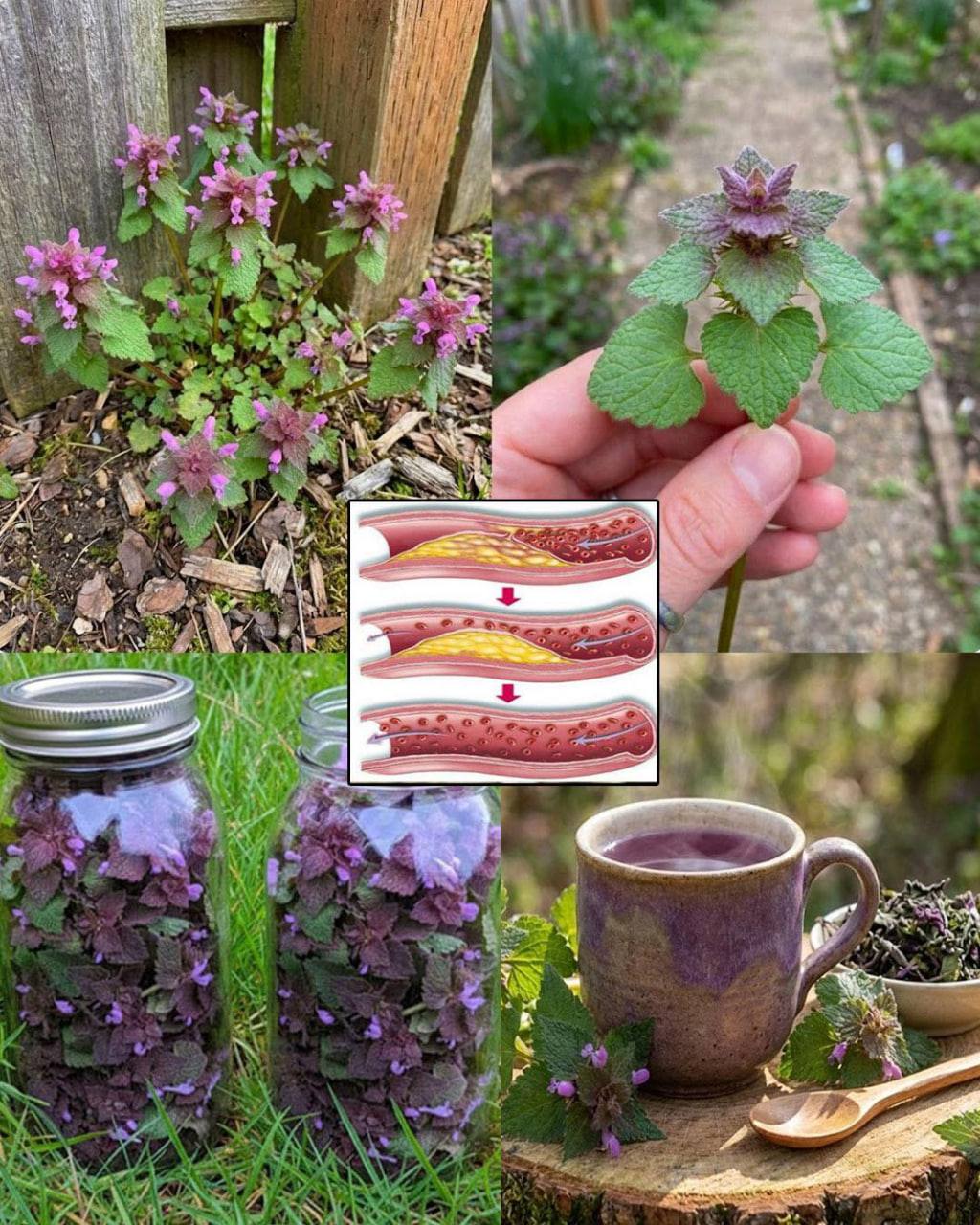
Purple Dead Nettle – Benefits and Uses of This Surprising Wild Herb
Purple dead nettle (Lamium purpureum) is often overlooked as a common garden weed, but this wild herb has a long history of traditional use and offers several potential wellness benefits.
Benefits of Purple Dead Nettle
1. Natural Anti-Inflammatory Support
Traditionally, purple dead nettle has been used to help soothe mild inflammation. Its natural compounds may support joint and muscle comfort when consumed regularly as part of a balanced diet.
2. Supports the Immune System
Thanks to its antioxidant content and beneficial plant compounds, purple dead nettle may help the body maintain a healthy immune response.
3. Gentle Support for Seasonal Allergies
Some people use purple dead nettle in teas or tinctures during springtime to ease mild seasonal discomfort. Its natural properties may help the body better adapt to pollen-heavy months.
4. Natural Source of Fiber
When eaten raw or cooked, purple dead nettle may support digestion and promote regularity.
How to Use Purple Dead Nettle
Purple dead nettle is surprisingly versatile. Here are some common ways to enjoy it:
1. Tea
Steep fresh or dried leaves in hot water.
The flavor is mild, earthy, and comforting.
2. Smoothies
Blend a handful of young leaves into smoothies for an added nutrient boost.
3. Salads
Fresh young tops can be added to salads for a light, herbal flavor.
4. Soup or Stir-Fry
Use it like spinach—add it toward the end of cooking to preserve nutrients.
5. Tinctures & Herbal Oils
Often used in homemade herbal preparations for its traditional properties.
Precautions
Always correctly identify the plant before consuming
Pregnant or breastfeeding individuals should consult a qualified professional before using new herbs
Some people may experience sensitivities
This article is for educational purposes only and does not replace medical advice
Final Thoughts
Purple dead nettle may appear to be a simple wild plant, but it’s far from ordinary. Packed with nutrients, mild in flavor, and easy to use, it deserves attention from anyone interested in natural wellness, gardening, or herbal remedies. Whether enjoyed in tea, salads, or smoothies, this humble herb can be a valuable addition to a nature-inspired lifestyle.
