
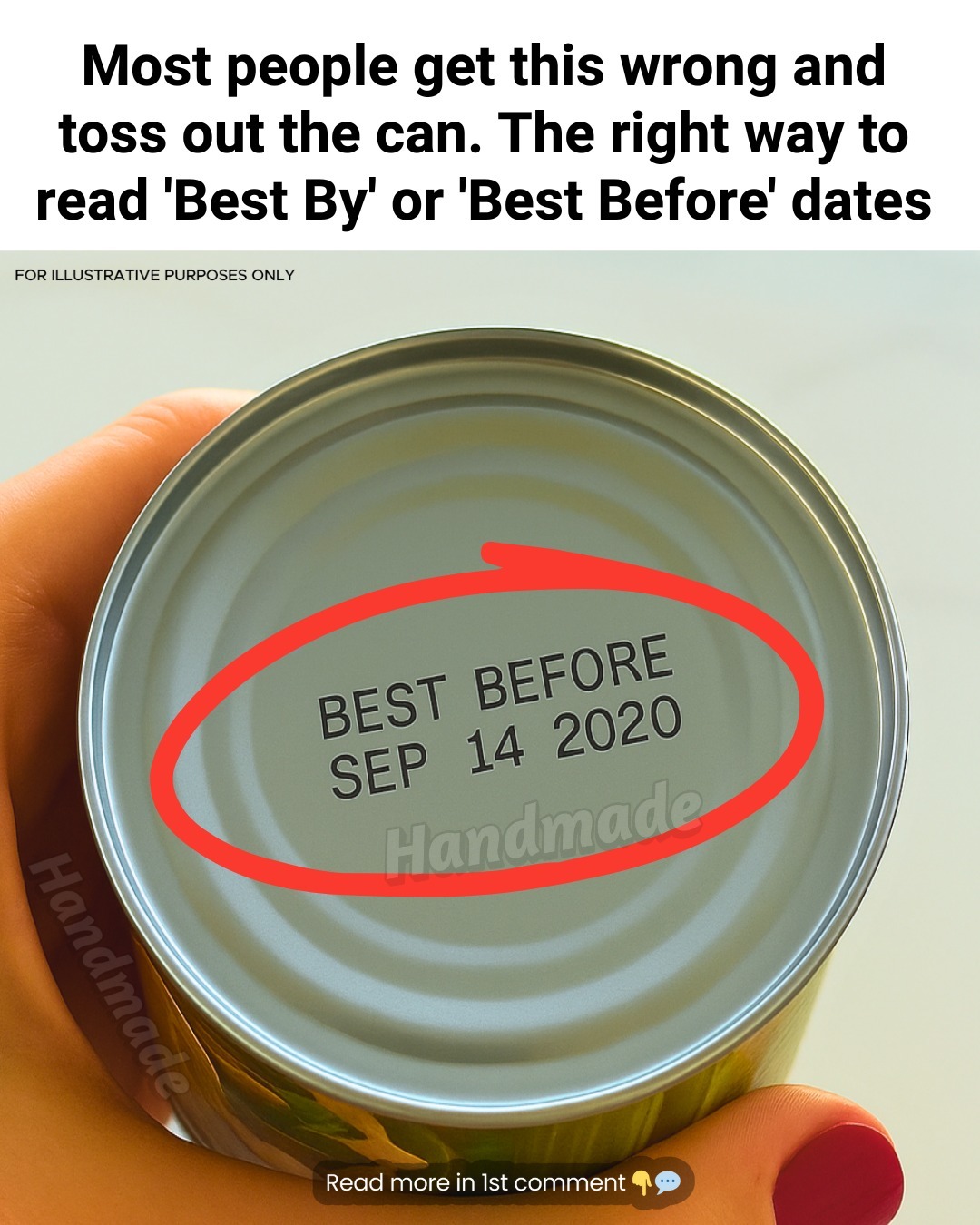
High-acid foods (tomatoes, citrus, pineapple): Best quality for 12–18 months, but often safe longer.
Low-acid foods (beans, corn, soups, meats): Quality holds for 2–5 years, with safety extending well beyond if stored properly.
Authorities note that undamaged cans stored in cool, dry conditions can remain safe indefinitely, though taste and nutrition may decline.
Taste vs. Safety
Softened vegetables or less tender meats don’t mean danger—they just signal reduced quality. Calories, protein, and minerals remain intact even as vitamins slowly degrade.
For illustrative purposes only (iStockphoto)
When to Throw It Away
Discard cans that are:
Bulging or swollen
Leaking or rusted
Deeply dented along seams
Spurting liquid or smelling foul when opened
Trust your senses—if it looks or smells wrong, don’t taste it.
Home-Canned Foods: Extra Caution
Unlike commercial cans, home-canned goods can be riskier. If a jar is bulging, leaking, cloudy, or smells off, it’s safest to discard it.
The Food Waste Problem
Millions of tons of edible canned food are wasted each year because people misinterpret expiration dates. This drives up grocery bills, fills landfills, and wastes opportunities to feed families in need.
For illustrative purposes only (iStockphoto)
Smart Storage Tips
Keep cans between 50–70°F (10–21°C)
Store away from heat and moisture
Rotate stock: use older cans first
Label shelves by purchase date
Bottom Line
Canned food is one of the most dependable food sources ever created. The printed date is a guideline for quality, not a safety deadline. With proper storage and a quick check for damage, that “expired” can in your pantry may still be perfectly good—and a smart way to save money and reduce waste.
